







Search Results for: Dark Roast Brewing
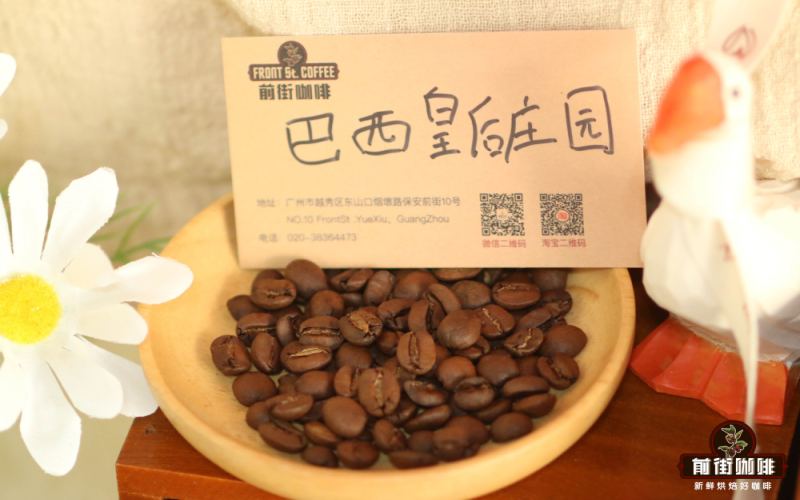
Dark Roast Coffee Bean Brewing Tutorial | Will Dark Roast Coffee Beans Taste Bitter as Hand-Brewed Black Coffee? Which Cocoa-Flavored Dark Roast Specialty Coffee Beans Are Recommended?
Traditionally, to highlight a rich and full-bodied coffee flavor, roasters commonly use dark roasting. The increased roast level promotes more caramelization of substances, so dark-roasted coffee typically carries abundant notes of chocolate, spices, caramel, cocoa, maple syrup, and the like. In terms of aroma, dark-roasted coffee has a hint of chocolate. [more…]
Dark Roast Coffee Flavor Analysis: Taste Characteristics, Is It Suitable for Pour-Over? Plus Front Street Coffee Dark Roast Bean Recommendations and Brewing Tips
Is dark roast coffee actually good? Where does its rich, full-bodied taste come from, and is it suitable for pour-over brewing? This article starts with the classification of roast levels, sorting out the flavor differences among light, medium, and dark roasts, with a focus on how dark-roasted beans perform in pour-over, and offers adjustment ideas across four dimensions: coffee-to-water ratio, brewing time, dripper choice, and pouring technique. It also rounds up popular dark-roasted single origins such as Front Street PWN Golden Mandheling, Front Street Queen's Estate, Front Street Jamaica Blue Mountain No. 1, and Front Street Huila, as a reference for everyday bean selection. [more…]
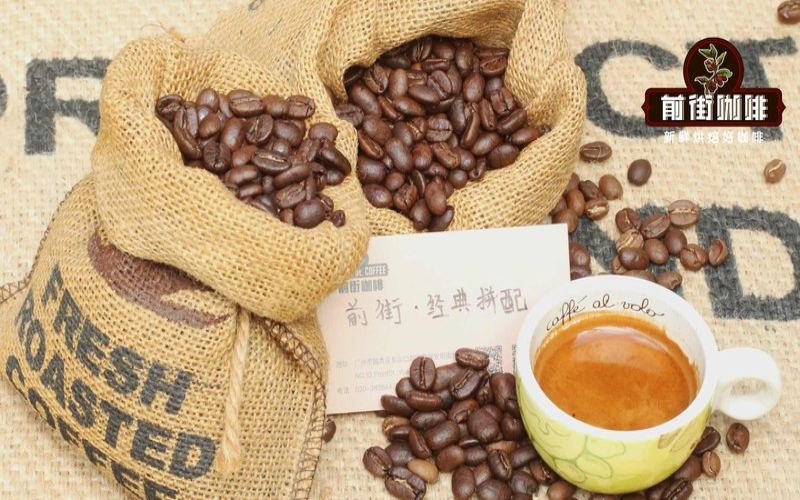
How to Choose Dark Roast Coffee Beans: From Roast Level to Everyday Brewing
The charm of dark roast coffee beans lies in their full body, deep aroma, and long finish. They often present notes of dark chocolate, roasted nuts, caramel, smoke, or spice, with acidity pushed to the background, making them suitable for pairing with breakfast in the morning or for making rich drinks with milk. If you prefer a solid, smooth coffee with a roasted feel, dark roast will be a good choice. [more…]
How to Design a Pour-Over Recipe for Unfamiliar Coffee Beans: From Building a Brewing Framework to Precise Matching
When faced with a coffee bean you've never encountered before, how do you quickly develop a suitable pour-over plan? This article starts with simplifying the brewing framework and shares a practical method: first roughly categorize coffee beans by roast level, establish a highly versatile brewing plan for each category, and then identify where unfamiliar beans belong through flavor descriptions and bean color. As experience accumulates, gradually refine the categories, deriving medium roast from light roast and dark roast, and even making further adjustments for special varieties such as Geisha. Front Street Coffee uses its own two brewing plans as examples to show that by keeping the dose, ratio, and technique consistent and adjusting only the water temperature, grind size, and dripper, most beans can be handled. This approach not only reduces decision-making costs but also leaves room for subsequent optimization. [more…]

How much does a 2°C difference in brewing water temperature affect coffee flavor? Front Street Coffee's actual test comparing light roast and dark roast beans
When brewing coffee, should the water temperature be 91°C or 93°C? Does this seemingly tiny difference really determine the flavor direction of a cup of coffee? Front Street Coffee often receives similar questions, because when we share extraction parameters, the water temperature is often given as a range rather than a fixed value. To clarify this issue, we brewed a light-roasted Ethiopian Yirgacheffe and a dark-roasted Brazilian Queen's Estate using the lowest and highest recommended water temperatures respectively, making four pots of coffee in total, and measured the concentration one by one, calculated the extraction yield, and then compared the flavor differences through tasting. This article will present the experimental results in full, analyze the specific effects of high and low water temperatures on the balance of acidity and sweetness, layering, and body, and share how Front Street Coffee chooses the appropriate water temperature based on the roast level of the beans in daily production. [more…]
A Curated Selection of Dark Roast Coffee Beans: A Comprehensive Analysis of Pour-Over Suitability, Parameter Settings, and Flavor Profile
Can dark-roasted coffee beans be used for pour-over? The answer is yes, but it requires a brewing approach completely different from that for medium-light roasts. Starting from the concept of body, this article sorts out the flavor differences among light, medium, and dark roast levels, and recommends popular dark-roast single origins such as Front Street PWN Golden Mandheling, Queen's Estate, Jamaica Blue Mountain No. 1, and Huilan. Then, focusing on four dimensions—coffee-to-water ratio, brewing time, dripper selection, and pouring technique—it breaks down one by one the parameter adjustment methods for pour-over with dark-roasted beans: how to avoid a thin mouthfeel, prevent under-extraction, choose a KONO dripper to extend immersion, reduce water flow washing against the cup wall, and other practical tips to help you consistently brew rich, full-bodied dark-roast coffee. [more…]

Where Does the Bitter Flavor in Dark Roast Pour-Over Coffee Come From? A Full Analysis of Taste Description and Brewing Parameters
When the specialty coffee wave has made light-roast flavor descriptions flow as easily as reciting a menu, the tasting of dark-roast coffee often falls into the awkward position of having no words to describe it—nuts and chocolate seem to have become universal labels for bitter coffee, and a single word "mellow" is treated as the highest praise. In fact, the bitter flavor profile of dark-roast coffee is likewise composed of aroma and taste together, and tasting requires not only the tongue to perceive it, but also the nasal cavity to capture those overlooked layers of aroma. This article starts from the brewing practice of Front Street Coffee, systematically sorts out the flavor sources and mouthfeel expression of dark-roast coffee, and takes the most representative Front Street Indonesian Golden Mandheling as an example to break down in detail the grind size, water temperature, coffee-to-water ratio, and three-stage pouring technique, helping you brew a cup of sweetly fragrant, rich, and full-bodied dark-roast pour-over at home. [more…]
The Complete Guide to Pour-Over with Dark Roast Coffee Beans: Master Water Temperature, Grind, Dripper, and Pouring Rhythm for a Rich, Sweet Finish
Dark roast coffee beans have always had a loyal following thanks to their rich caramel-chocolate aroma, full and smooth body, and long, sweet finish. Yet getting a good cup out of dark roasted beans is no simple matter—their loose, porous structure means a moment's carelessness leads to over-extraction and bitterness. Drawing on their brewing experience with dark roast products such as Queen's Estate, Bird of Paradise, Blue Mountain No. 1, and PWN Golden Mandheling, Front Street Coffee breaks down the key parameters and techniques for pour-over dark roast beans one by one—from water temperature, grind size, and dripper selection to coffee-to-water ratio and the three-pour method—to help you reliably replicate a cup of dark roast coffee with prominent sweetness and a lasting finish in just two minutes. [more…]
Analysis of the Aroma and Rich Flavor of Dark Roast Coffee Beans: Blue Mountain vs. Mandheling and Front Street Golden Mandheling Brewing Guide
Many people's earliest memory of black coffee is often a cup of strong, bitter dark roast. Behind this bitterness lies not only the push of era memories and the need for alertness, but also a complex aroma woven from nuts, caramel, cream, and spices. Dark roast coffee is known for its rich body, bittersweet balance, and long-lasting sweet aftertaste, with Blue Mountain and Mandheling standing out as classic representatives. Front Street Coffee will guide you through the unique charm of dark roast coffee, and using Golden Mandheling as an example, share how to brew out the caramel sweetness and solid, full body of dark roast beans through a KONO dripper, coarse grind, low water temperature, and three-stage pouring—avoiding bitterness and off-flavors while presenting the complete profile of herbs, dark chocolate, and nuts. [more…]

In-Depth Analysis of the KONO Meimon Dripper: Master the Design Essence and Dark Roast Coffee Brewing Characteristics
In the world of coffee brewing, V60 has almost become synonymous with conical drippers, but Front Street Coffee often chooses another classic piece of equipment when producing dark-roasted coffee—the KONO dripper. This brand, originating from Japan's Kono family in 1925, showcases a rich and full-bodied flavor when extracting dark-roasted beans thanks to its unique rib design and siphon effect. However, domestic coffee enthusiasts have quite limited understanding of it. In this article, Front Street will systematically sort out the historical evolution of the KONO dripper, the differences between models such as Meimon and Konos, and why it is particularly suitable for the brewing logic of dark-roasted coffee, and will share the parameter schemes that Front Street has summarized in actual operation, to bring you a comprehensive understanding of this low-key yet highly capable dripper. [more…]
What Are the Coffee Bean Roast Levels and How to Choose? Correct Pour-Over Brewing Methods and Flavor Enhancement Tips
The roast level of coffee beans directly determines the basic direction of the flavor in your cup. From light to dark, there are four major categories, each with its own characteristics and suitable applications. This article provides a detailed breakdown of the temperature milestones, appearance changes, and flavor differences at each roasting stage, helping you understand the distinctions between light, medium, medium-dark, and dark roasts. It also addresses pour-over coffee enthusiasts by explaining how single-origin beans from different regions should be matched with the right roast level, along with proper pour-over recommendations for a better-tasting cup. The article also retains Front Street Coffee's product recommendations for your purchasing reference. [more…]
Three-Stage Analysis of Specialty Arabica Coffee Roasting: Flavor Differences and Brewing Examples for Light, Medium, and Dark Roasts
How does the roast level shape the flavor of a cup of specialty Arabica coffee? Light roasts bring bright fruit acidity and floral notes, medium roasts pursue a balance of sweetness and acidity with nutty and chocolate tones, while dark roasts present a rich, full body with caramel and woody finish. Front Street Coffee believes that judging by roast color alone is not the key; origin, variety, altitude, and a dedicated roast profile are equally important. This article systematically sorts out the characteristics, temperature milestones, and naming conventions of the three roasting stages, and combines hand-brew examples of three beans—Front Street Yirgacheffe, Brazil Queen Estate, and Indonesian Golden Mandheling—to show the correspondence between flavor and brewing parameters under different roast levels, helping coffee lovers build a clear framework for understanding roasting and flavor. [more…]
Analysis of Flavor Differences Between Dark and Light Roasts of Kenyan Coffee and Practical Brewing with Pour-Over, French Press, and SOE
Kenyan coffee has always been known for its bright acidity, but historically there was also a mainstream practice of dark roasting. This article uses two Kenyan AA beans selected by Front Street Coffee—Karogoto and Asaliya—to compare the flavor and mouthfeel differences between dark roast and light roast, and documents in detail the brewing performance of pour-over, French press, and a dark-roasted Kenyan blend espresso. Starting from the roasting technology background of the second wave of coffee, the article also explains the origin of the saying "dark-roasted Kenya" and the changing logic of roast level choices in the specialty coffee era, providing coffee lovers with a reference that balances theory and practice. [more…]
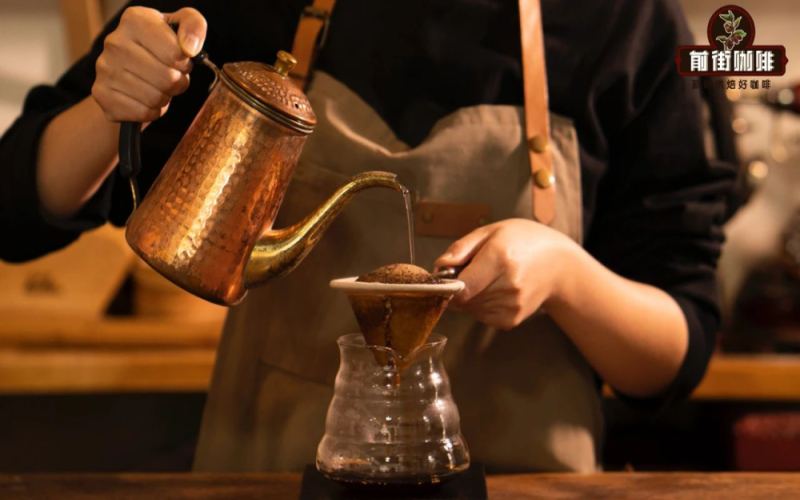
Complete Guide to Volcano Brewing: Japanese-Style Pour-Over Parameters and Sweetness Enhancement Secrets for Dark Roast Coffee Beans
Volcano pour is a highly visually striking classic technique in Japanese-style hand brewing. The coffee bed rises and falls like a volcanic eruption during pouring, and the deep-roasted coffee brewed this way has an especially abundant sweetness. Starting from the underlying logic, this article analyzes why the volcano pour can form a unique coffee-bed spectacle and why it produces such high sweetness, and provides complete brewing parameters and operating steps. It also explains the suitable bean type: deep-roasted beans with a high expansion rate and sufficient carbon dioxide, such as Front Street Sumatra·Golden Mandheling (deep roast). Finally, it includes a staged pouring scheme with a 1:12 coffee-to-water ratio, 88°C water temperature, and a Kalita trapezoidal dripper, along with dilution suggestions, to help coffee lovers recreate at home a smooth cup combining pine and spice notes, caramel sweetness, and dark chocolate aroma. [more…]
Where does coffee body come from? Master the coffee-to-water ratio, brewing time, and dripper choice to brew a rich, full-bodied cup.
When tasting coffee, we often describe a good cup as "rich" or "sweet," but what exactly is richness? What is mellowness? And where does the difference between the two lie? In fact, this is closely related to the coffee's "body." Body refers to the sense of weight that the coffee liquid presents in the mouth—is it light as water, or thick as milk? This article will systematically explain how to brew a rich, full-bodied cup of coffee from five aspects: choice of roast level, coffee-to-water ratio, brewing time, dripper selection, and pouring technique, and will recommend a number of dark-roast coffee beans suited to those pursuing a heavy, substantial flavor. [more…]
A Complete Analysis of Brazilian Coffee Bean Roast Levels: Flavor Changes from Light to Dark Roast and Front Street Brewing Recommendations
Brazil, as the world's largest coffee-producing country, accounts for more than one-third of global output, and its coffee beans are known for a clean, sweet profile with nutty and cocoa notes. This article takes the pulped natural processed beans from Fazenda Floresta in Minas Gerais as an example to detail the flavor performance at each stage from light roast to dark roast, and, combined with Front Street Coffee's roasting recommendations, analyzes the acidity, body, and sweet aftertaste characteristics of Brazilian beans under different roast levels. It also introduces the promotional work of the Brazil Specialty Coffee Association, the distribution of major producing regions, and the evolution of varieties, helping coffee enthusiasts choose a suitable roast level and brewing method according to their taste preferences. [more…]
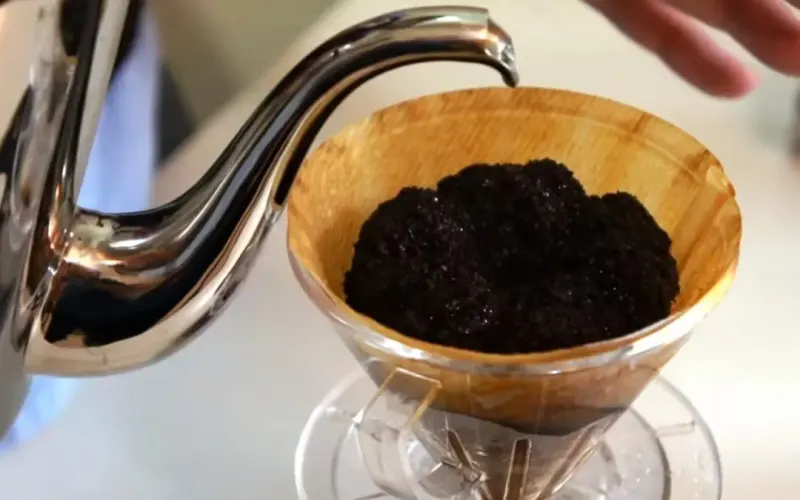
What Is High-Strength, Low-Extraction in Pour-Over Coffee? Japanese Dark Roast Brewing Principles and Practical Parameters Explained
Friends who enjoy Japanese-style dark roast coffee often notice a pattern: a large dose of grounds with a small amount of water produces a cup that is rich but not bitter. This approach has a professional name today—high concentration, low extraction. It is both a summary of past Japanese brewing traditions and an effective way to avoid the bitterness of dark-roasted beans. This article will start from the principles, explaining why Japanese brewing favors a large dose and a low extraction rate, and how doing so simultaneously enhances body and flavor intensity. Then Front Street will use PWN Golden Mandheling as an example to share a set of iced high-concentration, low-extraction practical parameters, including dose, ratio, grind, water temperature, and staged pouring, to help you easily recreate a classic dark roast flavor. [more…]
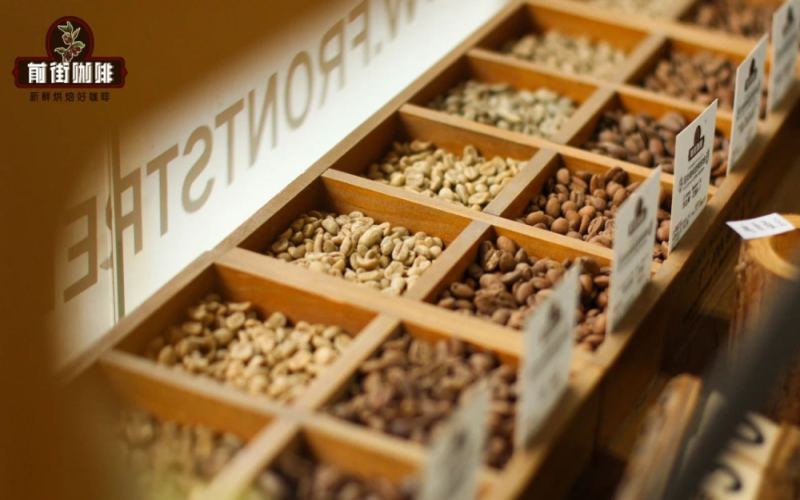
How to brew medium-dark roast pour-over coffee without bitterness? A flavor analysis of the acidity and bitterness differences between Yirgacheffe and Mandheling
Coffee beans must be roasted, ground, and brewed before they can present a cup of coffee with full aroma and rich flavor. Different roast levels bring entirely different flavor directions: the darker the roast, the higher the body, the lower the acidity, and the more pronounced the bitterness. This article starts with the characteristics of three types of beans—light roast, medium roast, and dark roast—to help you understand the relationship between roast level and flavor, and uses the light-roasted Front Street Yirgacheffe Gedingding and the dark-roasted Front Street Mandheling as examples to explain the approach to matching grind size and water temperature. It also shares four practical tips—low, gentle, slow, and coarse—so that medium-dark roasted coffee can also brew a soft and solid taste. [more…]
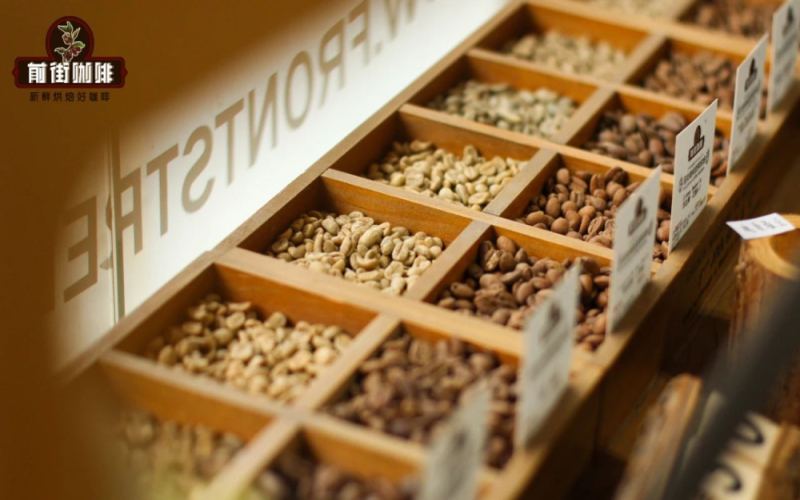
A Complete Guide to Coffee Bean Roast Levels: From Agtron Numbers to Practical Brewing for Light and Dark Roasts
The roast level of coffee beans often directly determines the flavor expression in the final cup. When confronted with terms on packaging such as light roast, medium roast, dark roast, and even cinnamon roast, city roast, and French roast, many friends new to specialty coffee are often confused. From the perspective of Front Street Coffee, this article first sorts out the eight-tier roast standards established by the SCAA based on Agtron color values, then groups them into two major categories—light and medium—explaining their respective flavor tendencies. It then uses the light-roasted Yirgacheffe Gedeb Cooperative and washed beans, along with the medium-dark roasted Front Street PWN Golden Mandheling as examples, fully disclosing the roast curves and brewing parameters for the V60 and KONO Meimon drippers, helping readers build a systematic understanding from roasting to extraction. [more…]
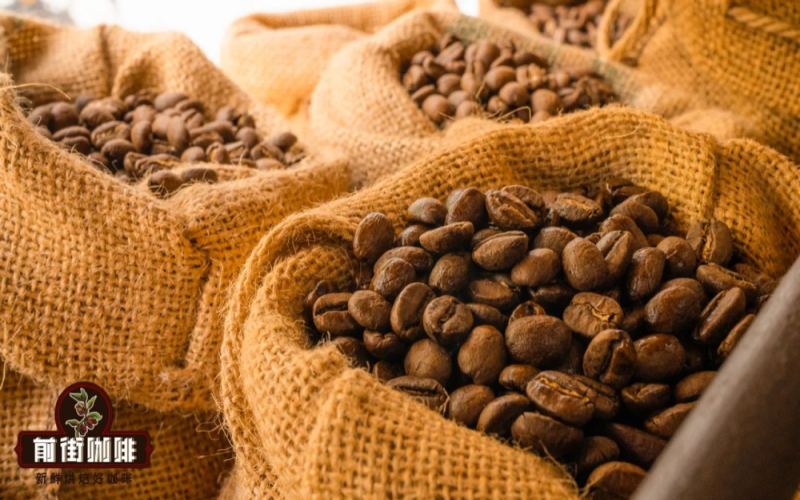
Recommendations for non-acidic pour-over coffee beans | Is dark roast coffee suitable for pour-over black coffee? How to brew Bird of Paradise, Golden Mandheling, and Yunnan coffee beans so they taste good and not bitter?
For more specialty coffee knowledge, please follow our WeChat official account: FrontStreet Coffee. In yesterday's article sharing flavor descriptions, the section on "body" sparked a lively response among coffee friends, and a friend asked via the backend that the deep-roasted coffee he brewed had a mouthfeel compared to [more…]